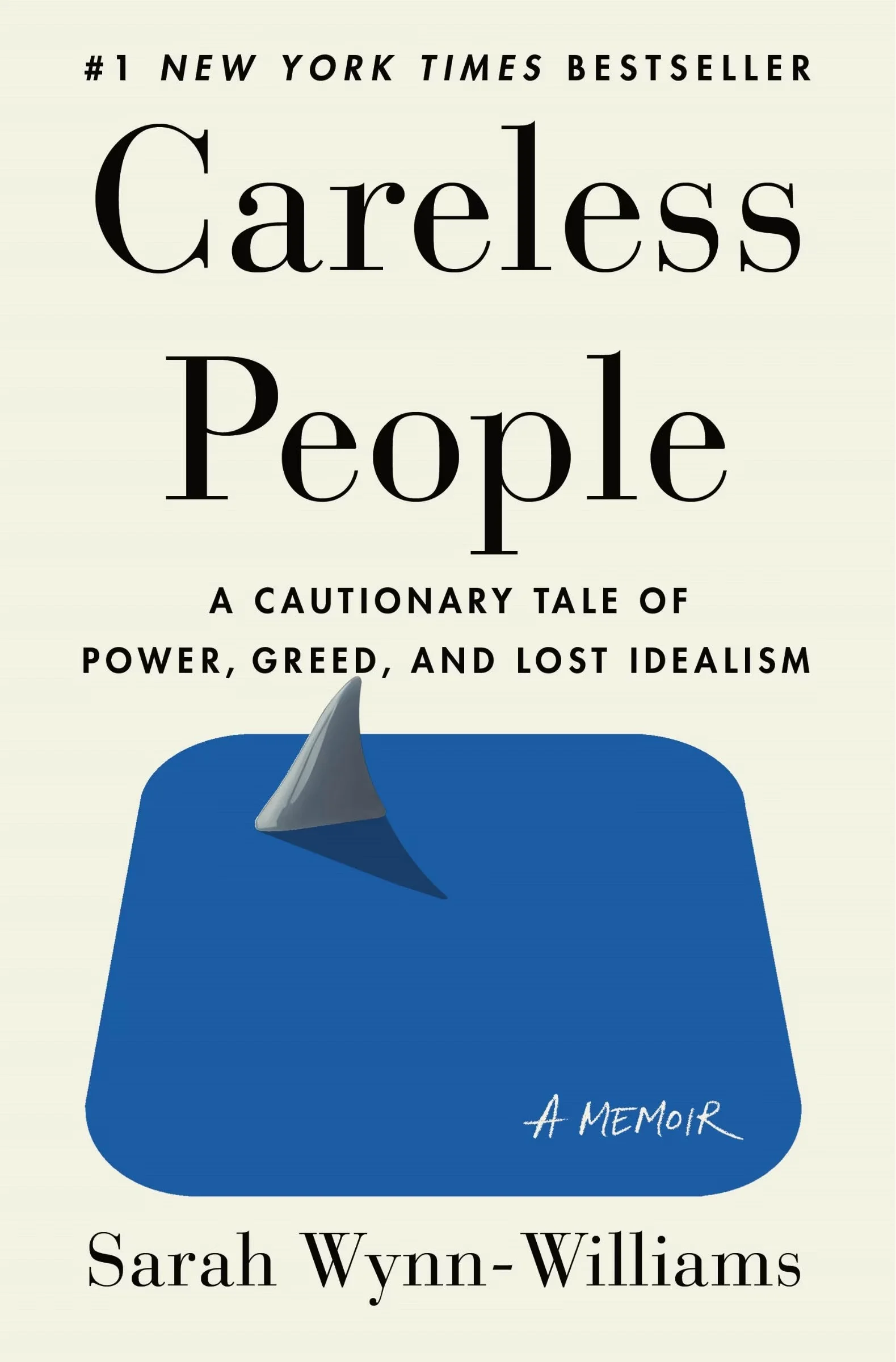
“Careless People: A Cautionary Tale of Power, Greed, and Lost Idealism”
by Sarah Wynn-Williams
February 18, 2026
Sarah Wynn-Williams’s memoir, “Careless People: A Cautionary Tale of Power, Greed, and Lost Idealism,” pulls back the curtain on a company that has shaped the digital age. What began as a global movement promising limitless information and genuine connection has transformed into a hierarchy fueled by greed, power, and control. Facebook now stands as one of the world’s most influential institutions, with close ties to governments and major organizations. Wynn-Williams delivers a candid, thoughtful account of her time inside this tech giant, illuminating its ambitions and its ethical shortcomings.
I grew up with social media, just like many others my age. I remember when Facebook was new, and Instagram was just starting out. Back then, filters were a novelty, and posts felt more natural and unplanned. Even celebrities used their accounts in a relaxed way, which made everything seem more genuine.
Today, social media is almost unrecognizable. Every post is meticulously crafted by teams of publicists and brand strategists. What once felt like an authentic connection has become a carefully orchestrated performance, where marketing is often masked as sincerity.
As these changes happened, there was also a major shift in who holds power. It makes sense that Sarah Wynn-Williams named her memoir after The Great Gatsby, a story in which wealth and indifference shield people like Tom and Daisy from the consequences of their actions. In a similar way, Facebook and its leaders have wielded immense power while remaining insulated from the impact of their actions.
The author also mentions sociologist Max Weber, who said that real political responsibility means accepting the unexpected results of your actions and being ready to pay the political price. But in big tech companies like Facebook, that kind of accountability seems to be missing. Facebook’s part in the 2016 U.S. election, often called “the Facebook election,” showed just how much it can shape public opinion. The company has the power to control what millions of people see every day, making it hard to ignore the rise of a digital elite that guides the world’s information.
In some ways, this feels like a new kind of digital colonialism. Many of us have gotten used to sharing our personal data, giving these companies a huge amount of information that helps them make money and gain power. We often think it’s harmless or “just business,” but every click and post adds to a system of control. Honestly, it feels almost impossible to opt out. Without social media (or even the internet), we risk becoming invisible in a world where being seen means being relevant.